
Healthcare and Medical

Digital health has accelerated growth in the healthcare sector, but security and data protection concerns have emerged. To protect sensitive data and strengthen their cybersecurity posture, players in the healthcare industry should implement end-to-end mobile app security solutions.

Healthcare and Medical

Mobile app security for healthcare apps and medical device apps

Healthcare mobile app security protects patient health data at rest, in transit and in use — on devices neither the provider nor the patient can fully secure. Digital health has moved medical records, appointment systems and clinician communication onto consumer phones. Unlike a password, a medical history cannot be reset once exposed. Mobile app hardening protects the application itself at runtime, closing the routes attackers use to reach protected health information.


PROTECT YOUR APPS AND DEVICE FROM
ALL KINDS OF MALICIOUS ACTIVITY

Secure digital patient services on mHealth apps

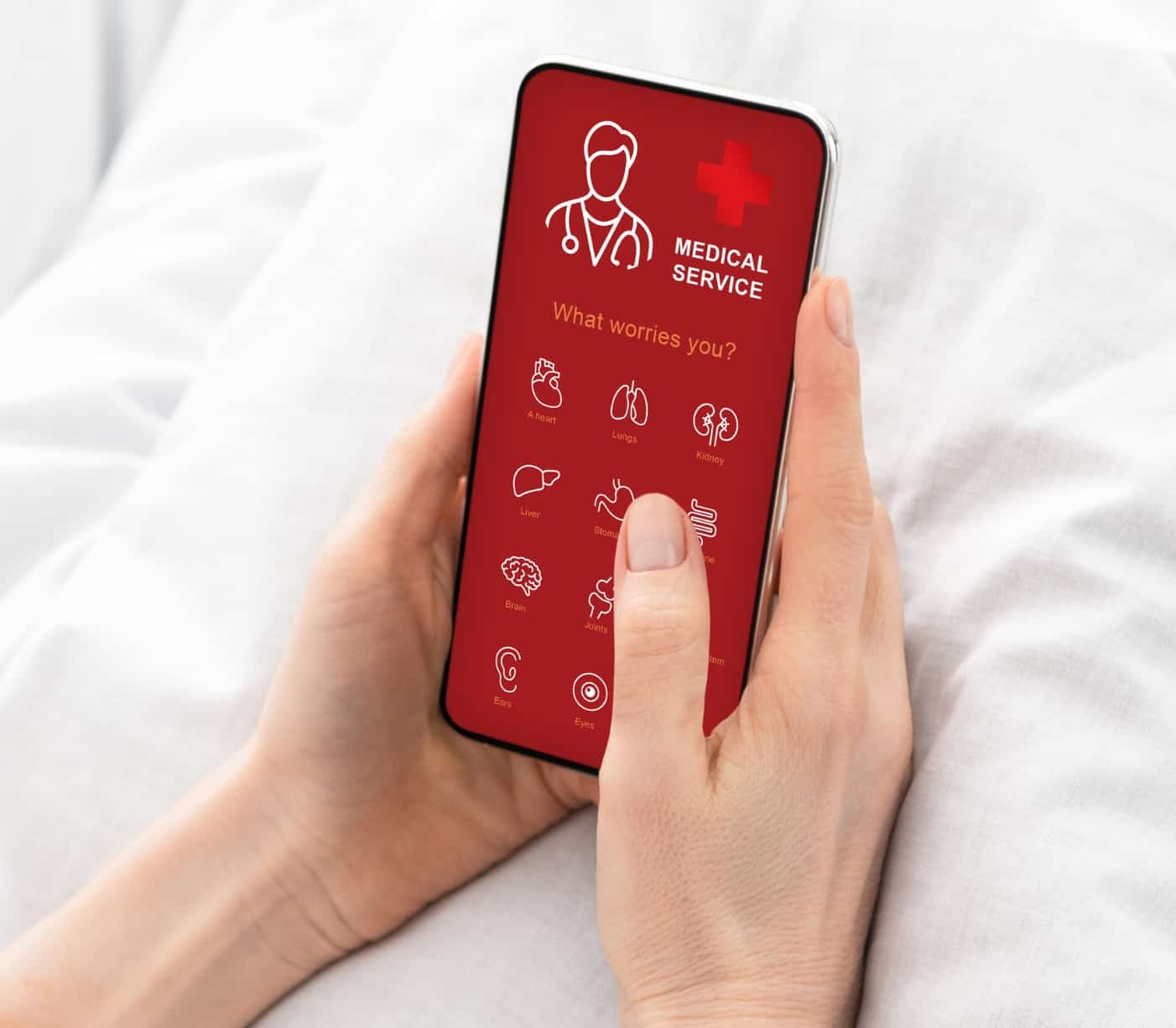
Patients now book appointments, read test results and message clinicians from their phones. Every one of those interactions moves protected health information onto a device that is unmanaged, often shared, and frequently running an outdated operating system.

Mobile app hardening protects the app rather than the device. Encrypted local storage keeps patient records unreadable at rest. Root and jailbreak detection ensures the app refuses to decrypt and display those records where its protections could be stripped. Anti-repackaging stops attackers cloning your app to impersonate a healthcare provider. Anti-hooking stops runtime frameworks intercepting data as a clinician or patient reads it.

Health data cannot be reset once it leaks

A compromised password is replaced in seconds. A leaked medical history is permanent, and its value to an attacker does not expire — which is why healthcare records trade at a premium and why healthcare providers are targeted disproportionately.

The exposure sits where digital health is growing fastest. Apps built quickly to meet patient demand, often by external development agencies, frequently ship without runtime protection: patient records stored unencrypted on the device, no detection of rooted or jailbroken environments, and no way to know when the app has been repackaged and redistributed. Connected medical device apps carry a further risk, because a tampered app could misreport a reading or send an incorrect instruction.

Ready to launch a secure app?

From deployment to security and beyond, SecIron helps you take you from visibility to action.

Contact us

Questions On Healthcare Services Mobile App Security

What are the security risks specific to healthcare mobile apps?

Healthcare apps carry patient health data, which is both highly sensitive and permanently damaging when exposed — unlike a password, a medical history cannot be reset. The main risks are insecure local storage of patient records, interception of data in transit, and repackaged apps that impersonate a legitimate provider to harvest patient information.

How do you protect patient data stored on a mobile device?

Through encrypted local storage combined with runtime checks that detect compromised devices. Encryption protects the data at rest; runtime protection ensures the app refuses to decrypt and display that data on a rooted or jailbroken device where the protection could be bypassed.

Does mobile app hardening help with HIPAA compliance?

It addresses the technical safeguards HIPAA requires for protecting electronic protected health information — access control, integrity controls and transmission security — as they apply to the mobile app. HIPAA compliance overall covers administrative and physical safeguards too, so the app is one part of a broader programme.

How do you secure an app that connects to a medical device?

Apps controlling or reading from connected medical devices need integrity assurance, because a tampered app could misreport readings or send incorrect instructions. Runtime integrity verification confirms the app has not been modified before it communicates with the device.

Can telemedicine apps be protected without affecting video quality?

Yes. Protection operates on the application and its runtime environment rather than intercepting media streams, so video and audio performance are unaffected.

Our app was built by an external development agency. Can it still be protected?

Yes. Protection is applied to the compiled application, so no access to source code and no involvement from the original developer is required — useful where the development relationship has ended or the original team is unavailable.